The Last Train Is Part of the Programme: Running Society Socials on London Time
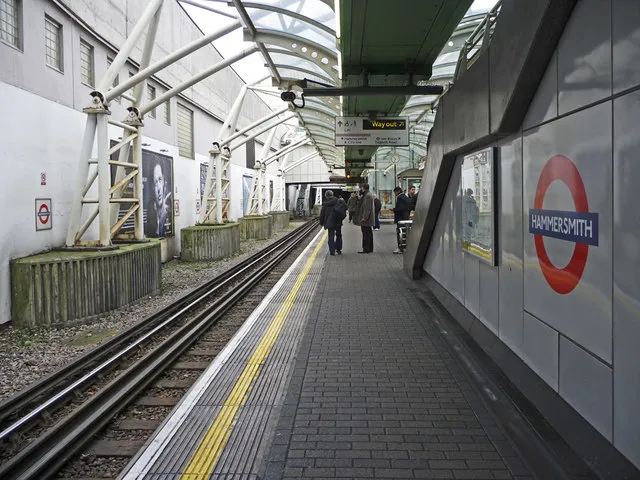
Photo: Christine Matthews, CC BY-SA 2.0, via Wikimedia Commons
There is a particular moment in every London society social when the room splits in two. One half is still debating whether to order another round; the other half is on their phone, squinting at TfL, trying to work out whether they have twenty minutes or four to get to Holborn. The committee is somewhere in the middle, holding a half-empty jug and pretending not to panic.
That moment is not a small logistical detail. It is the difference between a social people trust and a social people quietly avoid next time. In London, the last train is not an afterthought to the event. It is part of the programme.
Why transport belongs in the planning meeting
Students do not only ask whether an event looks fun. They ask whether they can get there, afford it and get home without a saga. For a fresher in halls, a second-year commuting from Zone 4, or a recent grad who has stayed in London for work, the answer to ‘how are you getting back?’ shapes the whole night.
A vague ‘it finishes late’ is a turnout killer. A clear finishing time, a named station and a rough sense of the last routes home is a turnout gift. It tells people you have thought about them beyond the sign-up sheet.
This is especially true around LSE. The campus sits in a part of London where the difference between a smooth exit and a stressful one can be one station, one bus stop or one badly timed announcement. Covent Garden is not Holborn. Bankside is not the Strand. Shoreditch might as well be a different planet once the Tube starts winding down.
A quick map of the LSE-area night
No article should pretend to be a live timetable — use the TfL Journey Planner on the day and check planned closures before you publish anything. But committees can still plan in broad strokes.
Holborn and Temple are forgiving for early-to-mid evening events. Several lines converge nearby, and people can peel off in different directions without a mass exodus. Covent Garden and Leicester Square are busy, central and well connected, but they are also magnets for crowds, so a meeting point matters. Soho gives you night buses and a lively walk, but it can be noisy and confusing for anyone who does not know the area. Bankside and Waterloo are fine until they are not: check the last trains and have a bus plan. Stratford and Shoreditch can work well for later nights, but only if you are honest about the journey home and the Night Tube or Overground options where they run.
The rule is simple: do not choose a venue because the photo looks good. Choose it because the exit works.
The three-number rule
Every society social should have three times attached to it.
Core end: when the organised activity finishes. This is what you publish. It should be realistic, not aspirational.
Soft end: when the committee starts signalling that people should think about moving. This is when you make the first announcement, gather coats and offer to walk people to the station.
Hard end: when the committee leaves, the room is swept and anyone still lingering is politely pointed towards a licensed cab or a night bus.
For a typical weeknight social, that might mean a 22:30 core end, a 22:45 soft end and a 23:15 hard end. For a Friday event with Night Tube options, you can stretch it — but only if you have checked what is actually running. The point is not to be the society that always goes home early. The point is to be the society that never leaves people guessing.
What to check before you book
A venue checklist for 2026 should include more than capacity and price. Is there a station within a short, well-lit walk? Are there multiple routes, or does everyone depend on one line? Is the walk from the venue to the bus stop comfortable at night? Does the venue have step-free access, or at least a clear accessible route? What is the last entry time? Is there a cloakroom, or will everyone be carrying coats and bags?
Also ask the unglamorous questions. Does the basement have phone signal? Is there a quiet corner for anyone who needs to leave early? Can you hear the fire alarm over the music? These are not boring details. They are the scaffolding of a good night.
The exit plan people actually use
A travel plan buried in an event description is not a travel plan. It needs to be repeated where people will see it: the group chat, the event page, the welcome message and the announcement at the venue.
Before the event, pin a simple message: ‘We finish at 22:30. Nearest station is X. Last trains are around Y — check TfL. Night buses from stop Z. We will walk as a group at 22:45.’ That last sentence does a lot of work. It gives people permission to leave without feeling awkward and gives anyone unsure about the route a safe option.
Name a travel marshal for the night. It can be the welfare officer, the social secretary or just the committee member who knows the area best. Their job is not to shepherd everyone like a school trip. It is to be the person who knows the plan, checks the group chat and makes sure nobody is left alone if a route goes wrong.
Announce the soft end at the thirty-minute mark and again at ten minutes. Do not rely on people checking the time. They are talking, dancing or debating whether the society hoodie is worth the money. A cheerful ‘we are heading to the station in ten’ is kinder than a sudden lights-up moment.
A simple 2026 timeline template
Two weeks out: check TfL planned closures, confirm venue last entry and publish the core end time. Put a ‘getting home’ section on the event page.
One week out: post the routes again. Include accessibility notes and a contact for anyone worried about the journey.
Two days out: confirm the travel marshal, check the group chat for questions and decide what the committee will do if someone misses the last train. Do not improvise that at midnight.
On the night: doors open, welcome message, soft-end announcement, group walk to the station, final sweep, committee debrief. The debrief can be a five-minute chat on the way home: what worked, what confused people and what you will change next time.
The night bus is not a personality
Night buses are brilliant. They are also slow, occasionally confusing and not always the best option for someone on their own. A route that looks simple on a map can involve a dark walk or a long wait at a quiet stop. If your event is ending after the Tube, choose a venue near a busy, well-lit bus corridor or a Night Tube stop where it runs. Tell people the route in advance. Encourage sharing cabs with people they know. Never wave someone off towards an unlicensed minicab because it is the quickest option.
A society night out should feel like a good use of a Tuesday, not a test of endurance. The best committees are the ones who understand that people remember how they got home almost as much as they remember the event itself.
So put the last train in the plan. Put the walk to the station in the plan. Put the exit in the plan. Then everyone can relax and enjoy the bit before it.