Polls, Panic and Pep Talks: A Field Guide to LSE Society Chatiquette

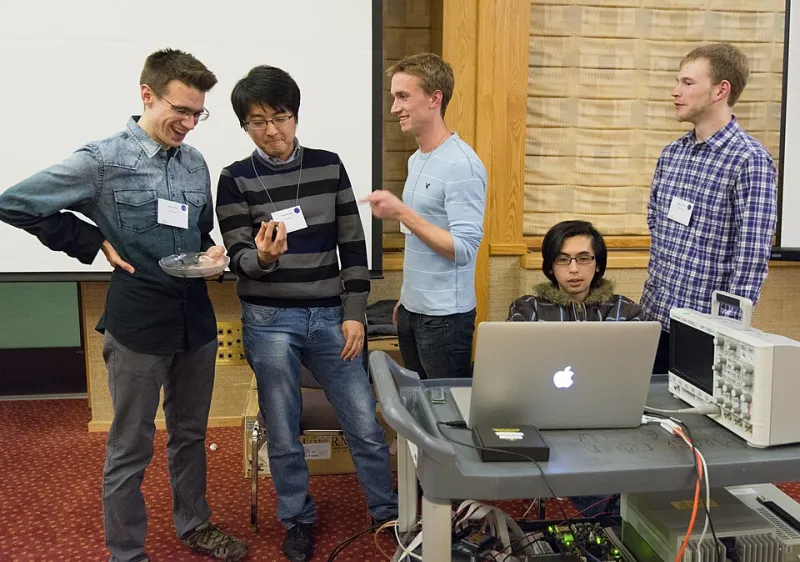
Photo: NASA Ames, Public domain, via Wikimedia Commons
Every LSE society has an official home: a committee page, a Students Union listing, maybe a timetable that looks beautifully organised in September. Then there is the real common room. It is the WhatsApp group or Discord server where the actual society life happens: where someone asks whether the room has a projector, where a poll decides the social budget, and where a first-year can find a pep talk at 11.47pm before a presentation. The group chat is not a side issue. It is the society nervous system.
The common room that follows you home
Group chats are brilliant because they are low-effort and high-reach. A message can fill a room, calm a panic or organise a pub trip in minutes. They are also relentless. Unlike a physical common room, they follow you onto the Tube, into lectures and through the weekend. At LSE, where calendars are already packed and many students commute, that always-on quality can feel like a lifeline. It can also feel like a second job.
The archetypes you will meet
- The Poll Starter. Believes every decision deserves a vote, from the society hoodie colour to whether the next social should start at 7pm or 7.15pm. Occasionally right. Always enthusiastic.
- The Room-Change Chaos Merchant. Sends the message that begins with sorry and ends with a completely different postcode. You learn to read these ones twice.
- The Late-Night Pep Talker. Appears after midnight with a voice note, a motivational meme or a reassuring message before a big event. The society would be colder without them.
- The Silent Reader. Never posts, knows everything. Will quietly turn up with the exact cable, form or emergency snack that the committee forgot.
- The Committee Firefighter. Replies to crises with a calmness that suggests they have done this before. They probably have.
- The Link Librarian. Has a folder for everything and will find the sign-up form from three weeks ago in under 30 seconds.
Chatiquette that actually works
- Pin the essentials. Room details, ticket links and deadlines should live in one pinned message, not in a scroll of banter.
- Earn the @everyone. Use it for genuine updates, not for reminders about a reminder. Members will mute the chat if every message feels like an alarm.
- Decide outside the chat. A group chat is good for quick questions and bad for complex decisions. Move budget talks, risk assessments and sensitive issues to a committee call or a document with a deadline.
- Mind the clock. A 1am message may be fine for some members and stressful for others. Schedule updates for sensible hours where you can, and do not expect instant replies.
- Close the loop. If someone asks a question and gets five answers, post the final decision. This is the small kindness that prevents the same question appearing three days later.
- Make it accessible. Voice notes are friendly but can exclude deaf members or anyone on a packed train. Screenshots of forms are not accessible. Use text summaries, alt text and clear links where possible.
- Protect quiet hours. A society chat should not make people feel guilty for logging off. State when the committee will be offline and stick to it.
- Name the emergency. If something is genuinely urgent, say so plainly. If it can wait until tomorrow, let it wait.
The serious bit: inclusion, notifications and burnout
Notification overload is real. A chat that pings 80 times before lunch is not a sign of a healthy society; it is a sign that decisions are being made in the wrong place. The best society chats are not the busiest ones. They are the clearest ones. A pinned message, a weekly digest and a clear channel for social plans can do more for community than a hundred scattered messages.
Inclusion matters too. New members often arrive into a chat that already has years of in-jokes, acronyms and shared history. A short welcome message, a link to the key channels and a named person to ask can make the difference between joining in and quietly leaving. Discord servers can be brilliant, but only if the map is obvious. WhatsApp groups can be warm, but only if the noise is managed.
Committee burnout often starts in the chat. The same people answer every question, chase every form and absorb every late-night worry. A good committee sets boundaries: a rota for monitoring the inbox, a handover document, a shared calendar and permission to log off. The group chat should support the society, not consume the people running it.
The mute button is not a resignation
Muting a chat is not a rejection of the society. It is a way of staying in it without burning out. The healthiest society chats accept that members have lectures, jobs, commutes and lives. They use the chat to include people, not to perform busyness. They know when to send a poll and when to send a pinned summary. And they remember that the point of the common room, whether it is a room or a group chat, is to make people feel more connected, not more behind.