A Hand, Not a Cheque: How Societies Win Partners Without Selling the Room
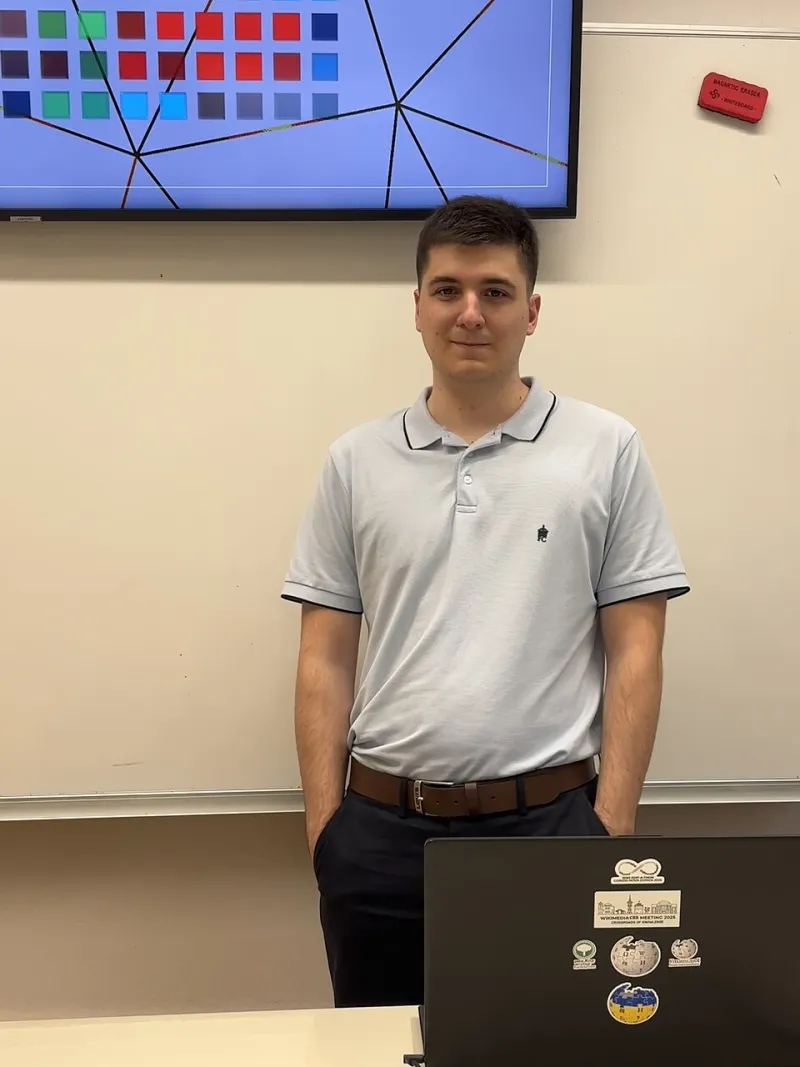
Photo: VidicK01, CC BY-SA 4.0, via Wikimedia Commons
Every society committee eventually has the same conversation, usually in a group chat at 11pm. The budget has a hole in it. Someone suggests sponsorship. Someone else says the word 'sell-out' and the thread goes quiet for two days.
It doesn't have to be like that. A sponsor is not a cash machine, and you are not a billboard. The best partnerships we've watched at LSE societies in 2026 look less like advertising and more like two people working out what each of them is short of. You are short of a room deposit, a printer, and someone to pay for the speaker's train fare. They are short of a credible, local, young audience and a reason to be in a room with them. That's a trade, not a favour.
Start with the line items, not the logo
Sponsorship asks go wrong at the first sentence. 'We're looking for a sponsor for our term programme' is a problem with no shape. 'We need £240 to cover venue hire for three panel events, and £60 for printing' is a problem someone can solve.
Before you email anyone, open the budget and write down what you actually spend. Not 'marketing'. The specific line items: the room beyond the free hour, the AV hire, the name badges, the refreshments that stop people leaving at 8:15, the train fare for the speaker coming from Manchester. Then mark which of those could be met in kind rather than cash — a printer, a venue, a case of drinks, a photographer. In-kind is not a consolation prize. It's often the easiest yes in the room.
The one-pager that gets a reply
One page. Not a deck, not a PDF with forty slides and a stock photo of a handshake. Six things on it:
- Who you are, in two lines. Membership number, what the society actually does, and one recent thing you're proud of.
- What the event is, with a date and a venue.
- Who's in the room, honestly. 'Around 35 people, mostly second-year students, a mix of politics and economics' beats '500 engaged future leaders' every single time, because the first sentence is true.
- What you need — itemised, with a total and a deadline.
- What they get, in plain language, with no adjectives.
- What you'll send them afterwards: numbers, photos, a short write-up, and a date you'll do it by.
Attach nothing else. If they want more, they'll ask, and that email is a good sign.
Deliverables you can actually deliver
This is where committees overpromise and then spend February apologising. Be ruthless with yourselves.
A thank-you slide before the panel starts is real. A thirty-second mention from the chair is real. A table by the door at a social is real. A stall at a term fair is real. A short write-up with genuine attendance numbers is real, and sponsors love it more than you'd expect because almost nobody sends one.
What isn't real: a promise of posts across four platforms managed by one person in second year with a reading list due on Friday. 'Organic social coverage' as a deliverable is a trap. If you want to offer social, name the platform, name how many posts, and check your committee actually has the login.
And never promise 'access to our members'. That phrase means a mailing list, and a mailing list means data protection, and data protection means you've just volunteered the society for a conversation with the Information Commissioner's Office. If a sponsor wants to reach members, they can come to the event, or they can offer something members choose to opt into.
The clauses worth declining
Most local businesses ask for very little. Some ask for things you shouldn't agree to, and it's easier to spot them before you've said yes.
Exclusivity across everything. Fine for one event. Not fine for 'the society's entire drinks category for two years'.
Approval over content. A sponsor can ask not to be associated with a particular speaker. They cannot sign off the panel's questions.
Member data. Already covered. The answer is no.
Pay-on-attendance deals. 'We'll pay £200 if you hit 80 people' turns your committee into an unpaid sales team and makes every subsequent decision about the sponsor's numbers rather than the members'. Decline politely.
Anything that looks like financial advice. If a partner wants you to promote a product, a credit card, or an investment app to students, walk away — there are regulatory lines here and you don't want to be near them.
Contracts that bind the next committee. You're a trustee of a term, not a decade. If a deal runs longer than your handover date, it needs whoever comes next in the room, and it needs LSESU sign-off. Societies sit inside the Students' Union; contracts and donations typically need to go through the SU's commercial and finance processes. Ask before you sign. That's not bureaucracy, it's the thing that stops a kind sponsor becoming an awkward legal problem in June.
In-kind partners are the long game
The independent bookshop on Lamb's Conduit Street that gives you a room for a reading group. The printer near Holborn that does your posters at cost. The alumni firm in Lincoln's Inn that sends two people to a careers panel and pays for the wine. None of these look like sponsorship on a balance sheet, and all of them are worth more than £300 and a logo.
The reason is legibility. A cash payment is abstract. A room, a ream of paper, a person who turns up and answers questions — that's an exchange everyone can see and describe. Those partners tend to stick around, because the value is obvious in the room rather than buried in a spreadsheet.
The Tuesday after
Most sponsorships die not from a disagreement but from silence. You got the money, the event happened, and then the inbox moved on.
Send the follow-up within a week. Real numbers, two good photos, a thank-you that names a person rather than 'the team'. Then put them in a sheet — name, contact, what they gave, what worked, what didn't — and make sure that sheet sits in the committee handover document, not in someone's personal notes.
And here's the bit most committees skip: invite them to the next thing even when you don't need money. A sponsor who gets a text in October saying 'we're doing the panel again, would you like to come' is a sponsor who says yes in January. That's how a one-off becomes a fixture.
The target isn't a logo on a banner. It's a name in your phone that picks up when the budget has a hole in it. Get the one-pager right, promise only what you'll actually do, refuse the things that cost you your members' trust, and then be the committee that remembers to say thank you. That's the whole strategy, and it works.