The Database Is the Guest List: Building a Speaker Series With No Speaker Budget
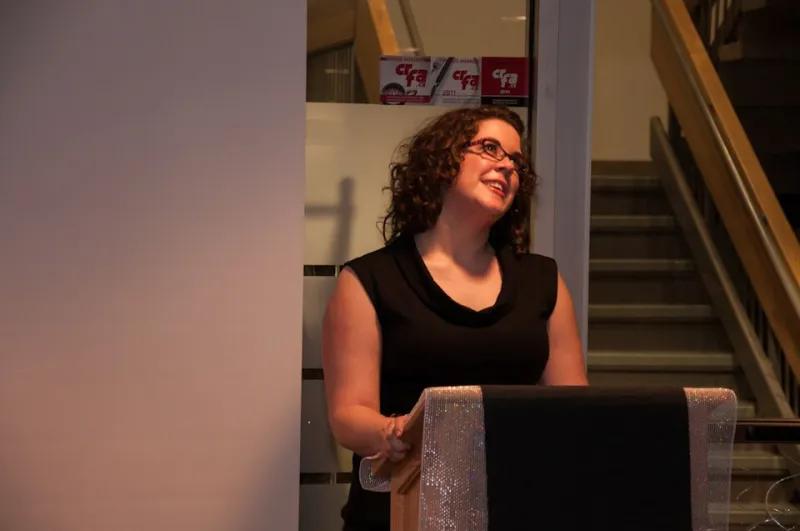
Photo: University of the Fraser Valley, CC BY 2.0, via Wikimedia Commons
Every committee has the same conversation in October. Somebody says the words "speaker series", everyone nods enthusiastically, and then a fresher asks who we've got — and the room goes quiet. Because the unspoken assumption is that speakers exist on another plane: Important People with assistants, fees and a car to the door.
They mostly don't. A large number of them are on the Central line, twenty-five minutes from Houghton Street, with an LSE degree in a drawer and a genuine soft spot for the society they joined in their second year. They are not waiting to be discovered by a national newspaper. They are waiting for a student to send a short, specific email.
The alumni network is the most under-used asset your committee owns, and opening it costs nothing. What follows is how to turn it into a term's worth of events without touching the speaker line of your budget — because there probably isn't one.
Start where the data already sits
Before anyone opens LinkedIn, work through what you already have access to. The LSE alumni platform, department newsletters, your society's own alumni Facebook group, the WhatsApp chat that never quite died after graduation, and the Careers team's employer relations contacts all exist for exactly this purpose. Ask your department's alumni officer whether they'll forward a one-line request; they usually will, if the ask is small and specific.
LinkedIn's alumni filter is the workhorse. Filter by LSE, then by sector, then by location — London, or "Greater London", which quietly picks up everyone in Canary Wharf and Stratford who'd never describe themselves as a city person. Then set the graduation years to something like 2014–2021. That band is the sweet spot: far enough out that they have something to say, close enough that they still remember what a seminar room smells like and haven't yet developed a fee structure.
One rule: don't start with the most famous alum in your filter. Start with the mid-career one who has never been asked. The partner at the magic circle firm gets twelve invitations a term. The person three years into a policy job at a transport body has had precisely none, and will remember you forever for it.
The ask that doesn't read like a mailmerge
Most alumni invitations fail for the same three reasons: they're too long, they're too vague, and they begin with "Dear Alumnus". If a message could plausibly have been sent to four hundred people, it will be read as though it was.
A workable ask has five parts and fits on a phone screen.
- Who you are, in one line. Society, role, and the fact you're a student — it repositions the request from professional demand to student favour.
- Why them, specifically. One sentence referencing their actual work. "I saw you moved from the Treasury into rail franchising — half our committee is applying for transport roles and nobody quite understands how the transition works."
- The concrete slot. Not "sometime in Michaelmas term". A date, a time, a room, and how long it will take.
- What you're asking for. Forty-five minutes. One short talk, one conversation with a student chair, then drinks with whoever stays. No slides required. No fee — and say so, so nobody has to have the awkward conversation.
- The easy out. "If neither date works, just say and I'll come back to you in the spring — no pressure at all."
That last line matters more than it looks. It converts the email from a demand into an offer, and it means the people who say no don't feel obliged to ghost you. Send it from a personal address, not a shared society inbox, and send it yourself. A message signed by a named human being gets replies that a committee account never will.
The 45-minute shape
A society event dies when it's too long. Ninety-minute panels with four speakers and a chair who hasn't prepared are the single biggest cause of second-term attendance collapse, and everyone in the room can feel it happening by minute fifty.
So build to forty-five. Doors at six, start at quarter past — assume nobody arrives on time in London. Fifteen minutes of the speaker, alone, no slides or three at most. Ten to fifteen minutes of conversation with a student chair who has one page of questions and has actually read the speaker's LinkedIn. Then twenty minutes of open floor, which is where the good stuff always lives. Hard stop at seven. Pub for whoever wants to come.
Seat the room cabaret-style if you can, or at least in a horseshoe, because a lecture theatre layout turns a conversation into a broadcast. Put the speaker's name on a slide, not their entire CV. And brief the chair to ask one genuinely curious question rather than eight networking questions.
Money, and what actually costs
You are not paying a fee, and you should say that plainly and early — not apologetically. Most alumni are delighted to be asked. What does cost money is everything around the ask, and the good news is that it's small.
Budget a term's worth at roughly £60: £20 or so of travel reimbursement per speaker for anyone coming from outside zone two, a drink afterwards, and a thank-you card that someone writes by hand. That last item has a better return on investment than any flyer you will ever print. If your treasurer insists on a line item, call it "speaker hospitality" rather than "speaker fees" and watch how much easier the conversation gets.
The bit everyone skips: what happens after
Treating a speaker as a one-off favour is the mistake that keeps a series small. The event ends at seven; the relationship should not.
Within forty-eight hours, send a thank-you from a named student, with the photo and the actual number of people who came — speakers love knowing the number. Offer something back: a student to help with a research task, an invitation to judge a competition, a mention in the termly newsletter. Add them to a spreadsheet with three columns — name, last contacted, next idea — and put a note in the calendar for nine months' time, because that's when the next committee will need them.
Then ask the question that compounds: "Is there anyone else from your year doing interesting work who'd enjoy this?" Referrals are how a speaker series stops being a scramble and becomes an inheritance.
A term you could actually run
Two alumni events a term is plenty. One in week four, while everyone still has enthusiasm and a functioning sleep schedule. One in week nine, when the term is fraying and people need a reason to leave the library. Give the series a name so it reads as a programme rather than three unrelated favours, and put every speaker on the same page of your handover document.
By this time next year, the awkward October silence won't happen. Someone will open the spreadsheet, pick a name, and send a three-paragraph email to someone who has been waiting to be asked since 2019.