Dead Chat, Live Room: A Six-Week Reset for Quiet Societies

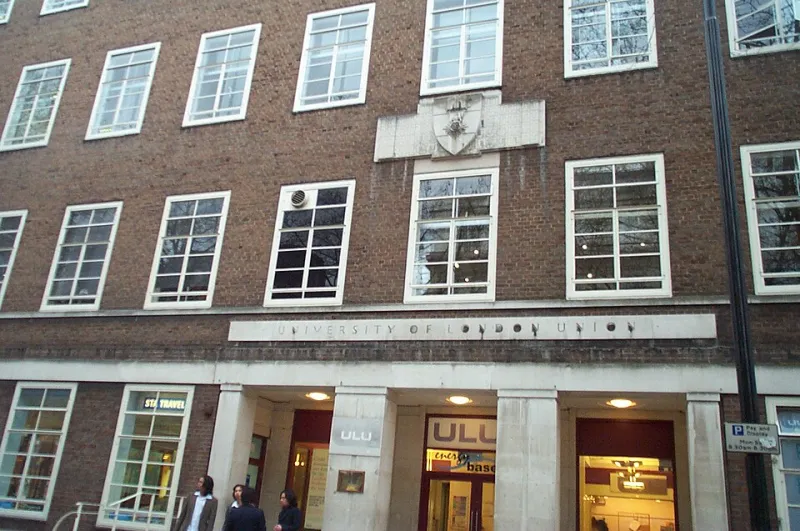
Photo: جنان مريش, CC BY-SA 4.0, via Wikimedia Commons
By mid-November, the group chat has gone suspiciously peaceful. The last message was a thumbs-up emoji from someone called Jamie, sent eight days ago. The Instagram grid is fossilised. Your committee meetings have become a support group for people who keep saying “we should do something” without actually doing it.
Take a breath. A quiet society is not automatically a failed society. At LSE, term is compressed, deadlines arrive like buses, and everyone is juggling a seminar reading with a side hustle. The question isn’t “why isn’t anyone replying?” It’s “what would make replying feel worth it?”
First, diagnose the silence
There’s a difference between a natural lull and a structural problem. A lull usually follows a big push: Freshers’ Fair, a launch event, a social that took three weeks of committee energy. People are resting. The chat goes quiet because nothing is being asked of them. That is normal.
A structural problem looks different. Your events are always on a Tuesday at 6pm in a room nobody can find. Your committee is doing everything and telling no one. Your society only speaks to its most committed ten members. Or your entire offer is “networking”, which is a word that makes half the campus run towards the Library Plaza exit.
Be honest about which one you’re dealing with. If it’s a lull, you need a small spark. If it’s structural, you need a reset. Either way, the next six weeks are enough to find out.
Week 1: Audit without the autopsy
Don’t start with a rebrand. Start with a spreadsheet. List every event you’ve run since September, the turnout, and the one thing people said afterwards. Ask three lapsed members — not your best friends — what would bring them back. Keep it to a coffee and a chat, not a formal review.
At LSE, use what’s already around you. Check whether your preferred room in the Saw Swee Hock Student Centre is actually bookable at the time you want. Look at the SU events calendar for clashes. If your society is competing with a careers fair in the Old Building, you’ve already lost half your audience.
The output is one sentence: “Our society is for people who want to [specific thing], and the easiest way to join is [specific action].” If you can’t fill that in, you’re not ready for week two.
Week 2: The low-stakes coffee
Book a table. Not a room, not a speaker, not a panel. A coffee. Pick a campus-adjacent spot — the kind of place where people can slip in for twenty minutes and leave without it being weird. Put the time in the chat with a simple line: “I’ll be there from 3pm. No agenda, no sign-up, just a chat.”
This is not a recruitment event. It’s a temperature check. Your job is to listen more than you talk. Ask what people are actually doing this term, what they’d turn up to on a rainy Wednesday, and what they’d never turn up to. You’ll learn more in one hour than in three committee meetings.
If three people come, that’s a success. If one comes, that’s still a success. You now have a real conversation to build from rather than a group chat full of planned messages that nobody reads.
Week 3: Make something visible
A quiet society needs a visible moment. Not a big-budget stunt — a small, repeatable one. A stall on Houghton Street. A whiteboard outside the SU building asking a question your society exists to answer. A five-minute “office hours” slot where a committee member sits with a laptop and a sign.
The key is that it should be easy to explain in one sentence and easy to photograph. If your society is about film, screen a twenty-minute short in a common room and leave the door open. If it’s about debate, put a motion on a whiteboard and ask passers-by to vote with a sticker. If it’s about careers, run a “CV speed-run” where people get one honest tip in three minutes.
Visibility isn’t about being loud. It’s about being findable. The LSE campus is small enough that a well-placed sign and a friendly face can do more than a hundred Instagram stories.
Week 4: Borrow someone else’s audience
Collaboration is the cheat code for dormant societies. Find a society whose members overlap with yours but whose calendar doesn’t. Not a direct rival — a neighbour. A politics society and a film society. A business society and a language society. A dance society and a welfare campaign.
Keep the collaboration small and specific. Co-host a coffee hour, a study session, or a joint social with a clear split of costs and jobs. Write down who is bringing what. The worst collaborations die because both committees assumed the other one had booked the room.
Use the partnership to borrow energy, not to dump your event on someone else. Your partner’s members should get something genuinely useful: a new crowd, a skill, a free slice of pizza. That’s the deal.
Week 5: Ask for one clear next step
Dormant societies often ask for too much at once: join, pay, follow, attend, volunteer, run for committee. Pick one ask. Just one.
If the goal is turnout, the ask is “come to this one thing on Thursday.” If the goal is rebuilding the committee, the ask is “reply to this form if you’d like to help plan one event.” If the goal is visibility, the ask is “share this with one person who’d enjoy it.”
Make the ask human. “We’re rebuilding after a quiet few weeks and we’d love ten people in a room” is more persuasive than “GENERAL MEMBERSHIP NOW OPEN”. People respond to specificity and honesty. They can smell desperation, but they can also spot genuine effort.
Week 6: Measure, then hand over
At the end of six weeks, look at four numbers: how many people replied to a message, how many came to an event, how many came back a second time, and how many volunteered for a small job. You don’t need a dashboard. A note on your phone is fine.
If replies are up but turnout is flat, your message is working but your event isn’t. If turnout is up but nobody returns, your welcome is the problem. If nobody volunteers, you’re still doing too much as a committee — split the work into tiny, named tasks.
The final step is a handover of the next ask. Not a full committee handover — just one person owning the next month. A society that relies on a group chat consensus will go quiet again. A society with one named person, one clear event, and one honest ask has a pulse.
The checklist
- One sentence explaining who the society is for.
- One low-stakes coffee with a real conversation.
- One visible campus moment that can be photographed.
- One collaboration with a neighbouring society.
- One clear ask, repeated three times in three different places.
- One person responsible for the next four weeks.
A dormant society isn’t a lost cause. It’s usually a group of people who care, waiting for someone to make the next step small enough to take. Start with the coffee. The room will follow.