Low Effort, High Turnout: Seven Society Events for the Post-Freshers Freefall
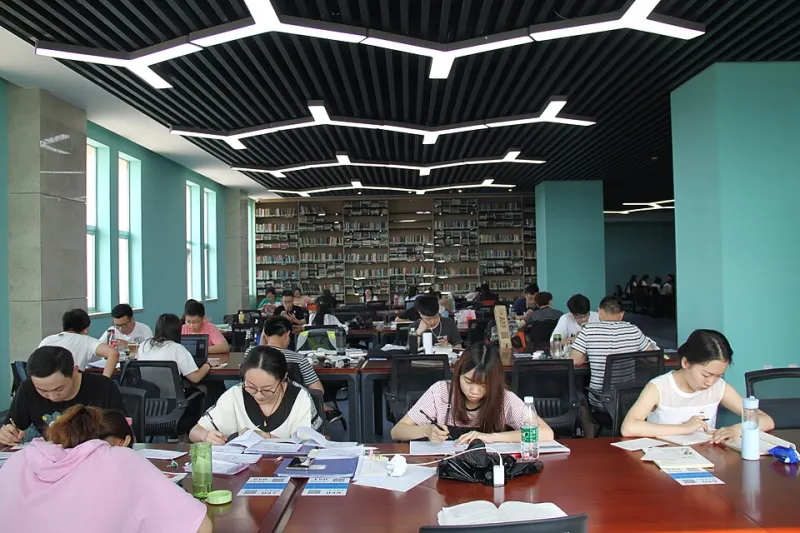
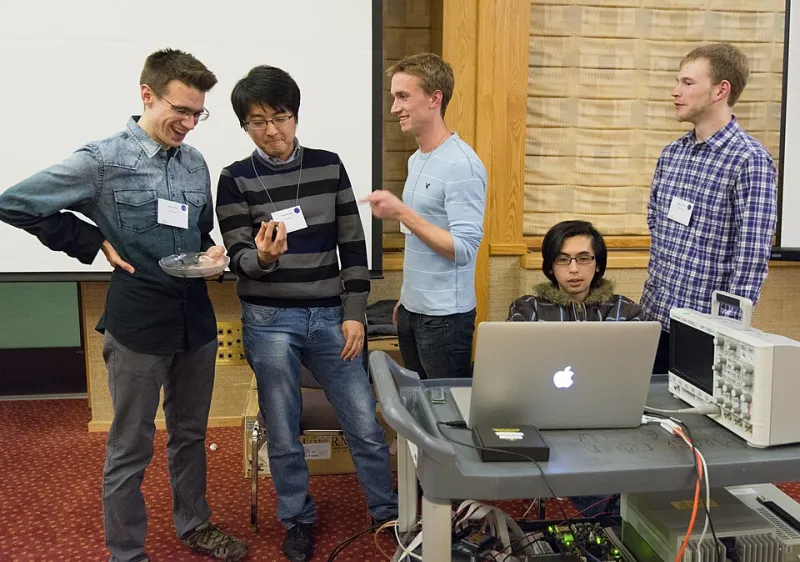
Photo: Gary Todd, CC0, via Wikimedia Commons
November at LSE has a particular smell. It is rain on Houghton Street, coffee from the library café and the faint panic of a problem set that has not been started. The society calendar that looked so full in Freshers' Week now has gaps. The group chat has gone quiet. And the committee is staring at a room booking wondering whether anyone will turn up.
This is not a failure of your society. It is the post-freshers freefall, and it happens most years. The fix is not more events. It is easier events, built for people who are tired, skint and slightly behind on everything.
Why November Feels Like a Group Chat on Mute
By week six, the novelty has worn off. Daylight is shorter. Deadlines are closer. For a commuter campus like LSE, fewer people are sticking around after lectures, and the ones who do are often choosing between a society social and a supermarket meal deal. None of that means members have lost interest. It means their energy is being spent elsewhere.
So the question for committees in November 2026 is simple: what can you run that costs almost nothing, takes under an hour to organise and still feels worth leaving the library for?
The Rule: Lower the Bar, Raise the Welcome
Low-effort does not mean low-warmth. The best November events are not big productions. They are small, repeatable and obvious. You are not trying to recreate Freshers' Fair. You are trying to remind people that the society is still there, still friendly and still worth twenty minutes of their evening.
Here are seven formats that do exactly that.
1. Study-with-a-Society (Bring Your Own Deadline)
Book a seminar room or a table in the Saw Swee Hock building for two hours. First forty-five minutes: silence, laptops open, phones face down. Then a fifteen-minute break with biscuits. Then another forty-five minutes of work. That is it.
The messaging writes itself: 'We are not teaching anything. We are just suffering together.' It attracts members who feel guilty about missing socials and gives them a reason to associate the society with something useful. Timing matters: 6pm to 8pm works better than late-night sessions during deadline season.
2. The Collaborative Quiz Night (Two Societies, One Quizmaster)
Find another society with a similar-sized membership and split the work. One committee books the room, the other writes the quiz. Use a free template. Keep rounds short and mix pop culture with something mildly course-adjacent. A round on 'name that London landmark from a terrible drawing' costs nothing and gets people talking.
The beauty of a joint quiz is that it doubles the guest list without doubling the effort. It also gives members a low-pressure way to meet people outside their usual society bubble.
3. Soup and Slides: A Twenty-Minute Speaker Night
Ask one member, alum or friendly academic to talk for twenty minutes about something they genuinely find interesting. Not a formal lecture. Not a careers panel. Just a short talk with slides, followed by soup and bread.
Soup is cheap, warming and forgiving. A £20 shop can feed a room. The format is simple enough that one person can run it, which matters when the rest of the committee is buried in essays.
4. The Walk-and-Talk: Campus to the River
Meet outside the library, walk down to the Thames, cross at Waterloo Bridge and finish near a pub. No booking, no deposit, no speaker. The event is the walk. People pair up naturally, conversations happen sideways rather than face-to-face and anyone can leave when they need to.
Have a wet-weather plan: if it is pouring, move it to a common room and call it a 'steps challenge' instead. UK weather is not a reason to cancel; it is a reason to have a backup room.
5. The 'Bring a Thing' Coffee Hour
Book a common room, buy a couple of boxes of biscuits and ask everyone to bring one object that means something to them. A keyring. A bad holiday souvenir. A book they pretend to have finished. Each person gets sixty seconds to explain it.
This works because it needs no preparation from attendees beyond remembering to bring something. It also gives shy members a script. You do not have to be funny or clever. You just have to hold an object and say why you own it.
6. The Co-Working Craft Session
Colouring books, origami paper, badge-making, a pile of felt tips. Put it in a room with a playlist and let people drift in and out. The craft is the excuse; the conversation is the point. It is study-adjacent, low-cost and easy to run with two committee members.
Keep it short. Ninety minutes is plenty. If people want to stay longer, they will.
7. The Sunday Reset: Online Body Doubling
For members who are rarely on campus, run a forty-five-minute Zoom session on a Sunday afternoon. Everyone states one task, works in silence, then checks back in. No slides, no icebreakers, no pressure to turn your camera on.
It is not glamorous, but it keeps the society present for people who cannot make weekday events. One committee member can host it from their kitchen table.
Messaging That Does Not Sound Like a Chore
Keep it short. One message, one link, one clear time. 'We are doing X on Wednesday, 6pm to 8pm, room confirmed. Come for twenty minutes if that is all you have got.' Pin it in the group chat. Send it five days before and again on the day.
Use a poll to choose the night. Do not schedule over a major deadline if you can avoid it. And avoid the phrase 'mandatory fun'. Nobody has ever felt warmly towards a mandatory fun event.
Timing and Turnout: What to Measure
Do not compare November turnout to Freshers' Week. That is a different season with a different audience. Instead, count repeat attendees. Count new faces. Count how many people stay for the whole thing. A room of twelve who stay for ninety minutes can be healthier than forty who leave after fifteen.
Use a simple sign-in sheet or QR code. Ask one feedback question: 'What would make the next one easier to attend?' If turnout is low, do not cancel the next event. Downsize it. A small room with a good atmosphere is better than a big room with a echo.
The Point Is Not a Packed Room
The point is that your society still feels alive in November. That means fewer heroics from the committee and more small, repeatable moments that let members say yes. Low effort is not a compromise. In the post-freshers dip, it is the strategy.