Three Questions After Midnight: The Debrief That Stops Your Society Repeating Itself
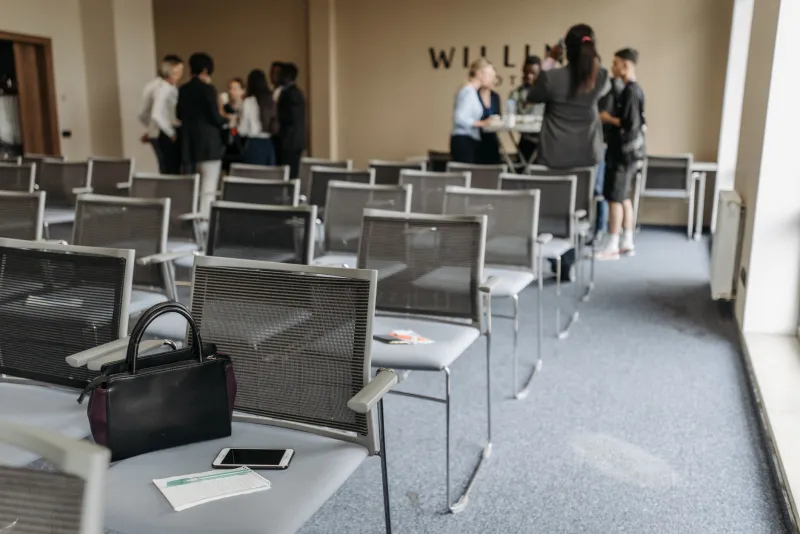
There is a very specific moment in society life when everyone is still buzzing, slightly knackered, and holding a bin bag. The chairs are stacked, the speaker has been walked to the Tube, and someone is asking whether the leftover crisps count as committee expenses. That is the moment most committees let slip through their fingers. Not because they do not care, but because everyone is tired and the group chat is already filling with heart emojis and vague promises to “debrief properly later”.
Later rarely comes. So here is a better offer: the twenty-minute debrief. Not a formal review, not a post-mortem, and definitely not an excuse for one person to deliver a speech while everyone else looks at the floor. Think of it as a reset button pressed while the event is still warm.
The ten minutes after the last slice of pizza
The best debrief starts before the room has fully emptied. You do not need a meeting room or a printed agenda. A corner of the venue, a quiet bit of the SU building, or even a huddle by the bike racks will do. The only rule is that it happens immediately, not three days later when the details have blurred into “it went fine, I think”.
At LSE, society events have a habit of folding into the next thing. There is always another speaker, another social, another deadline. That is exactly why the twenty-minute debrief earns its place. It is short enough that people will stay for it, and structured enough that it produces something more useful than a collective shrug.
Pick one person to hold the pen. That can be the president, the secretary, or the events officer — but it should be someone who was actually in the room, not someone hearing about it second-hand. Their job is not to chair a tribunal. Their job is to capture three answers and leave with one sentence worth keeping.
Who actually needs to be in the room
Not everyone. That is the first relief. A debrief is not a general meeting, and inviting all twenty-five committee members is a recipe for a forty-minute chat about nothing. Keep it to the people who made the event happen: the lead organiser, the person on the door, the person who handled the speaker or performer, and anyone who dealt with the practical stuff — AV, catering, accessibility, room booking. If a society has a welfare or accessibility rep, having them there is especially useful, because the things that went wrong for one attendee are often invisible to everyone else.
Two to five people is plenty. More than that and the conversation starts performing for an audience. You want the people who saw the seams, not the people who only saw the stage.
If someone cannot stay, ask them one question by message before the night is out: “What is the one thing you would change next time?” That single line is often more honest than a whole committee meeting.
Three questions, no autopsies
The twenty-minute debrief runs on three questions. That is it. No SWOT analysis, no lengthy feedback form, no one scrolling through the Instagram story views and calling it data.
1. What actually worked?
Be specific. “The vibe was good” is not an answer. “The sign-up table by the entrance caught people who had not booked” is. “The speaker stayed for twenty minutes afterwards and spoke to students” is. The point is to identify something you can repeat, not to hand out compliments.
2. What cost us more than it was worth?
This is not the same as “what went wrong”. Sometimes nothing goes wrong, but a task still eats three people’s afternoons. Maybe the custom name badges were lovely and completely unnecessary. Maybe the room setup took an hour longer than expected because the layout was too ambitious. Naming the cost — time, money, stress — helps the next committee make a better trade-off.
3. What will we change once?
One change. Not a list. Not a pledge to be more organised. One concrete adjustment that can be written down and handed over. It might be “book the room for thirty minutes earlier so AV can be tested”, or “put the accessibility info in the first email, not the third”, or “stop asking the treasurer to run the door and do the card reader at the same time”.
One change is memorable. One change survives the year. A list of twelve improvements is just a wishlist with better formatting.
The blame-free rule is a structure, not a vibe
“Blame-free” does not mean nobody mentions problems. It means the conversation is pointed at systems, not people. There is a difference between “the door queue got messy because we had one person on check-in” and “you were rubbish on the door”. The first is a design flaw. The second is a personal attack, and it will make everyone defensive for the rest of the term.
The chair can enforce this gently. If someone starts a sentence with “you should have”, redirect it to “next time, we should”. If someone apologises too much, cut it short and ask what the process needs instead. The aim is to leave the room with a lesson, not a culprit.
It also helps to separate feelings from facts. People can say they felt stressed, and that is useful information. But the debrief should end with something the committee can actually do differently. Otherwise it becomes a group therapy session with a bin bag.
One change, written down before the pub
Before anyone leaves, write the change down. Put it in the committee notes, the shared drive, or the event folder — somewhere that is not a disappearing story. Use a simple format: “For the next [event type], we will [change] because [reason].”
That sentence is the whole point of the ritual. It turns a passing feeling into an inherited lesson. The next committee does not need to hear a rumour about how the winter social “always gets chaotic on the door”. They can read the note and know that two people on check-in, not one, made the difference.
At an LSE society, where committees turn over every year, that written line is worth more than a long handover document nobody opens. It is small, specific, and evidence-based. It is also a quiet act of kindness to whoever inherits the role next November.
The handover line that beats a group-chat rumour
The twenty-minute debrief will not solve every society problem. It will not make the room booking system less mysterious or the catering bill less frightening. But it will stop the same small mistakes from being rediscovered every single term.
So next time the doors close, do not let everyone drift off with a vague sense that it went alright. Grab a corner, ask three questions, write down one change. Then go to the pub. The debrief is twenty minutes. The lesson can last a committee.