Point, Shoot, Hand Over: The Monthly Photo Ritual That Outlives Your Committee
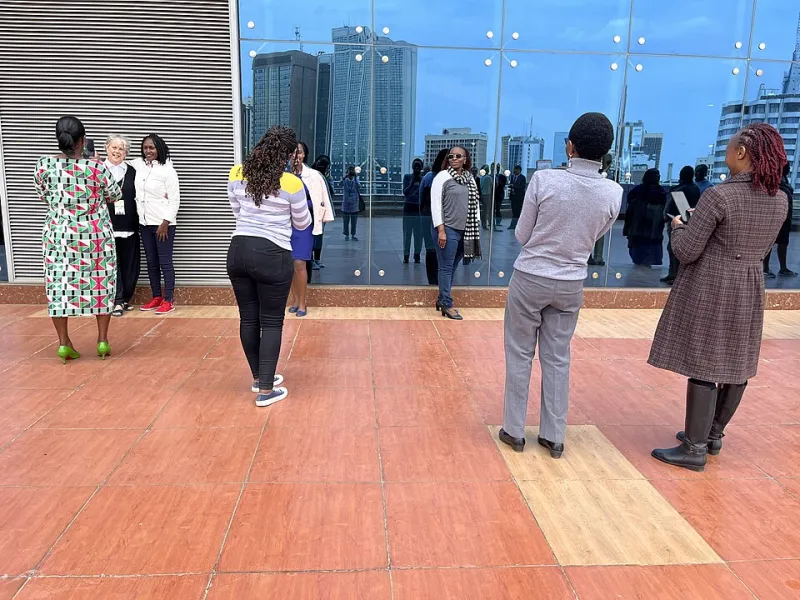
Photo: Dzingle1, CC0, via Wikimedia Commons
There is a specific kind of sadness to a society Instagram account that peaks in Freshers' Week and then posts a blurry photo of a laptop screen in February. Not because nobody came to anything. Because nobody took a photo of it.
Meanwhile, the evidence exists. It's on Priya's phone, in a camera roll of 4,000 images where the good ones sit between a screenshot of a reading list and a photo of someone's cat. It's on the society account's WhatsApp, buried under three weeks of "can someone send me the room code". It's in a Google Photos album that one committee member made in 2024 and never shared.
So here's a proposal, and it's a small one: give one person, per month, the job of taking the photos. Then make them hand the whole lot over.
Why a camera roll is actually a committee asset
Think about who looks at your society before they join. A fresher on Houghton Street, in week three, deciding whether your Wednesday social is for them. What convinces them isn't the constitution document or the paragraph on the SU page. It's seeing people who look roughly like them, in a room they recognise, looking like they're having a tolerable time.
A live archive does that quietly, all year. It also does three other things nobody talks about:
- It gives the committee something to show when sponsorship conversations come up and "we have 340 members" needs backing up.
- It makes the handover in March or April vastly less depressing, because the outgoing committee leaves images rather than vibes.
- It stops the same four people appearing in every post, which is the fastest way to make a society look like a clique with a bank account.
The role: one month, one person, no talent required
The memory lead is not a photographer. Say that out loud at the AGM so nobody panics. The brief is: bring a phone, take forty photos across the month, dump them all in the shared drive by the first Sunday of the next month, then pass the baton.
Forty is a deliberately low bar. A panel talk gets eight. A social gets fifteen. A committee meeting gets one, purely for the record, and it can be of the biscuits.
Rotate it. A rota means you get variety in framing, angles and who's actually in shot, and it spreads the mild awkwardness of being the person pointing a camera at people. First-years on the committee should get a slot early — it's the least intimidating job on the list and it makes them talk to everyone in the room.
One rule: the memory lead doesn't also run the event. If you're on door, you'll take four photos of a sign. Tag-team it.
Consent, quickly, before someone asks in the group chat
This is the bit people skip, and then someone's photo ends up on a public account and there's a genuinely uncomfortable conversation. It's not complicated, but it does need doing.
Before the event. Stick a line in the event description: "We'll be taking photos tonight for our society archive. Tell a committee member if you'd rather not appear." That's the baseline. If you're doing anything with under-18s or external guests, check what the Students' Union expects — their guidance exists and it's shorter than you think.
At the event. Have a visible opt-out. A coloured sticker on a name badge, a lanyard, a wristband — anything that a committee member can spot from across the room without having to remember a conversation. Nobody has to announce anything, which is the whole point.
After. Group shots are fine. Close-ups of a single person, mid-laugh, with a drink in hand, need a check before they go public. When in doubt, ask in the chat and wait for a reply. A photo that sits in the private drive for a year is not a problem; a photo that gets taken down after two days of complaints is.
Never. No photos of anyone eating, no photos of a screen showing someone's name badge and email, and absolutely nothing from the bit of the night where the lighting gave up.
Captions are what separate an archive from a pile
A folder of 900 unlabelled JPEGs is not a memory. It's a hostage situation for whoever does handover.
So the memory lead keeps a running note — a plain spreadsheet is fine — and fills in four columns: date, event name, who's in it (first names, that's all), and a one-line caption. "Michaelmas week 4, careers panel, Riz and Amara fielding questions about spring weeks." That's it. That single line is worth more than the photo.
The captions also pay off later. When you're writing a term-card, an end-of-year roundup or a sponsorship deck, you're pulling from sentences rather than squinting at faces.
The drive: build it once, then stop thinking about it
Use whatever the committee already has access to — Google Drive, OneDrive, whatever the SU provides. Just set it up so it survives the people who made it:
- One folder per academic year, then one subfolder per month.
2026-27 / 03 Novand nothing cleverer than that. - Committee account, not a personal one. This is the mistake every society makes once, and the recovery process involves someone's old university login and a lot of patience.
- One shared "best of" folder that anyone can pull from for socials, without trawling the raw dumps.
- Access for the whole committee, editing rights for two people. Everyone can add, one person curates.
Naming convention: 2026-11-12_panel_careers_01.jpg. Boring works. Boring is searchable.
What you actually do with it
Once a month, the person holding the drive posts a carousel — eight to twelve images, captioned properly, tagging people where you've got permission. Once a term, you pull ten into a recap post for the people who missed it. At handover, the incoming committee opens the folder and sees the whole year laid out, rather than trying to reconstruct it from an Instagram grid and a group chat called "Soc 26/27 (active)".
And somewhere in there, a second-year who's been hovering at the edge of your society since October sees a photo of the exact room they were nervous about, and recognises two people from their seminar. That's the whole return on investment. Forty photos and a spreadsheet.
Roll on, point, hand over.